

Nathan Fielder, Elizabeth Holmes & The Truth | Culture Crash
We review You Can See Everything - Nathan Fielder's buzzy new Elizabeth Holmes documentary that goes far beyond the Theranos scandal. It's a strange, wild film that leaves us questioning if the truth is ever quite what it seems.

The Parenting Trick That Sounds Ridiculous (But Actually Works) | Viewpoints Explained
Sometimes the best way to win a parenting battle is to stop taking it so seriously. We explore new research showing how a little silliness can work wonders when dealing with the big emotions of toddlers and young kids.

The Business Of Love: Why More Singles Are Turning To Professional Matchmakers
Dating apps were supposed to make finding love easier. Instead, some singles are so fed up with swiping that they're willing to spend thousands of dollars to have someone else do the searching. Professional matchmaking is making a comeback, but what exactly are people paying for? We go behind the scenes of this surprisingly lucrative industry to uncover what modern dating looks like today.
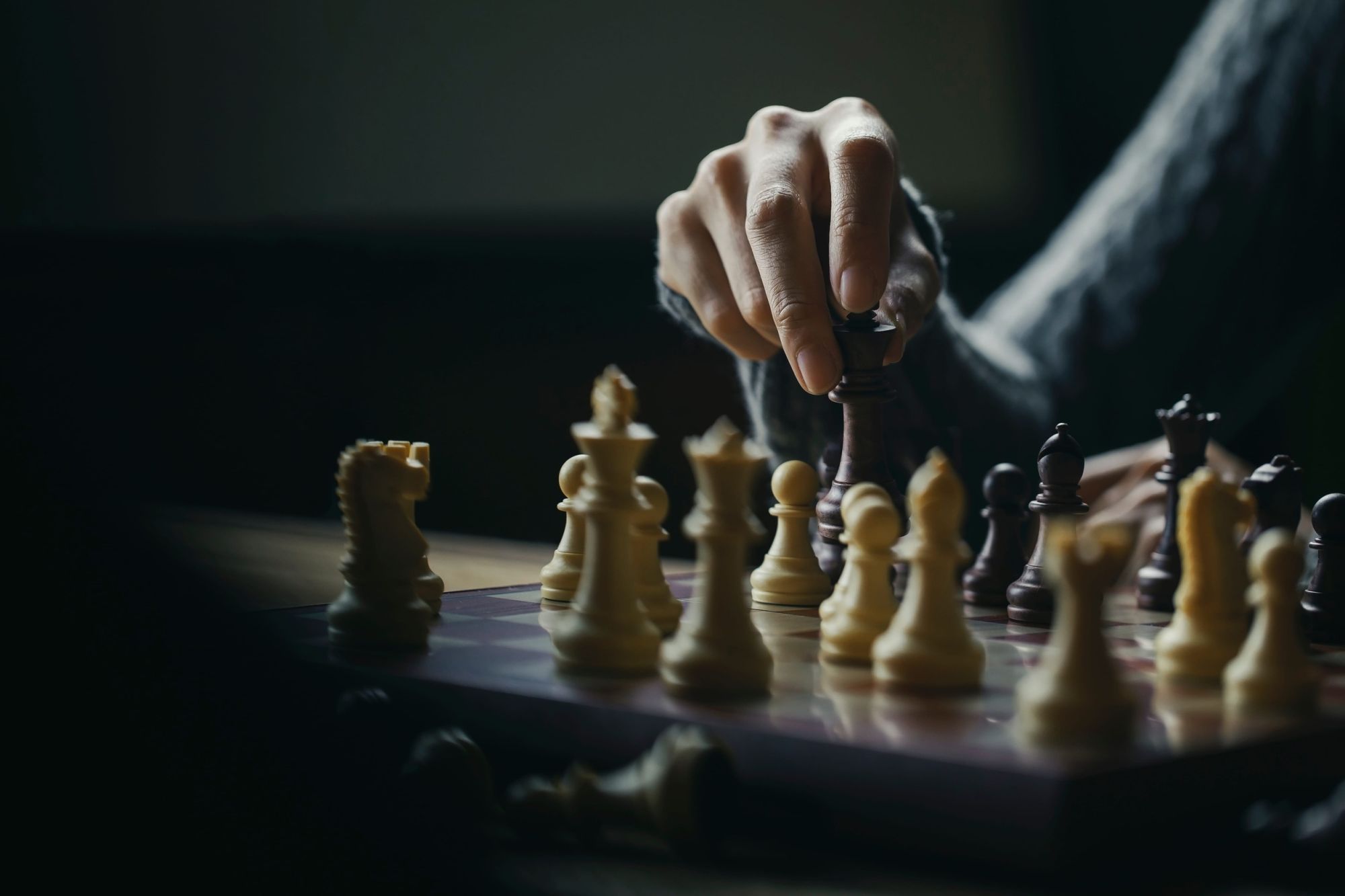
Who Gets To Play? Susan Polgar & The Barriers In Chess
The men at Susan Polgar's first chess club laughed when she showed up. She was just four years old and needed a stack of books to see over the board. But she quickly proved she wasn't someone to underestimate. Long before The Queen's Gambit, Polgar was challenging a chess world that didn't believe women belonged at the highest levels. We speak with Susan herself about her life’s work and the barriers she broke along the way.
Tom Cruise Goes Off-Script: Why Digger Is Dividing Critics | Culture Crash
We review the polarizing new film Digger featuring actor Tom Cruise and why this bizarre climate satire turned out to throw us for a loop.

El Niño’s Hidden Threat | Viewpoints Explained
A hidden force beneath the Pacific Ocean could spell trouble for the West Coast this winter. We cover how these nearly invisible waves, fueled by El Niño, could bring damaging coastal flooding and affect ocean life.

Why Stress Doesn’t Always End When The Day Does
What if the secret to handling stress isn't avoiding it, but getting better at recovering from it? Health psychologist Dr. Elissa Epel explains why our bodies can stay stuck in stress mode long after a difficult day ends, how small doses of stress can work in our favor, and the simple, science-backed ways to break this damaging cycle.

What We Remember vs. What We Bury
Some monuments tower over cities, while others are tucked away or have been forgotten entirely. Author Howard Mansfield takes us from grand war memorials to symbolic, more understated designs that feel disconnected in today’s world. In this story, we explore how the monuments we see shape our understanding of history and whose stories get remembered.
Why We Never Really Outgrow Our Teenage Favorites | Culture Crash
Ever wonder why the music, movies and TV shows you loved as a teenager still seem impossible to top? It turns out our tastes are heavily shaped during those formative years, which might explain why every generation thinks they grew up with the best.

From Paperbacks To Pixels: Would You Switch Over? | Viewpoints Explained
The first generation of Amazon’s Kindle was released in 2007. Since then, there’s been many iterations of the popular e-reader and sales have ebbed and flowed. But, in recent years, it’s gained a strong cult following online. What’s the real appeal here?
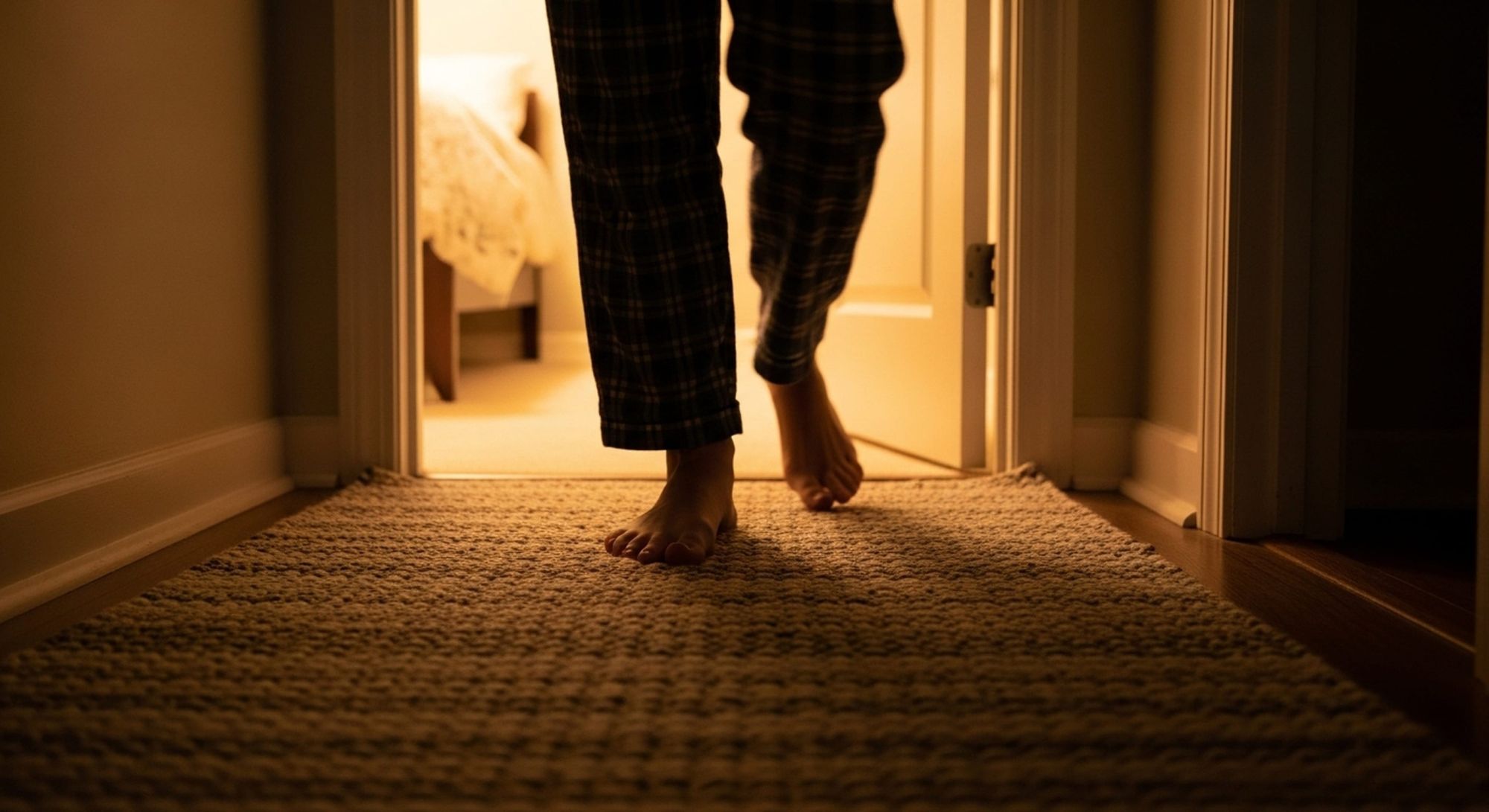
Why Are So Many Young Adults Still Living At Home?
The childhood bedroom is getting a second life. With rent out of reach and traditional milestones like marriage and homeownership happening later, more young adults are staying under their parents’ roof for longer. But money isn’t the whole story. For some families, living together simply works better than it used to.

When The Sickest Person Runs The Show
When you’re too sick to get out of bed, how are you supposed to coordinate care across 30 different doctors? Samantha Sloves spent years searching for answers to an invisible illness, facing debilitating symptoms that others couldn’t see and doctors sometimes questioned. Her story reveals a frustrating reality for many chronically ill patients: the people who need the most help are often left to navigate the healthcare system on their own.
